The hardest part of setting up managing marketing workflows automatically isn’t the technology itself. The hardest part is usually figuring out where to begin, which tutorial to believe, and how to tell the difference between what works and what doesn’t. I’ve helped a lot of small teams and founders set up their first automations, and I’ve gone back to the same places to learn over and over again.
how to use automation platform?
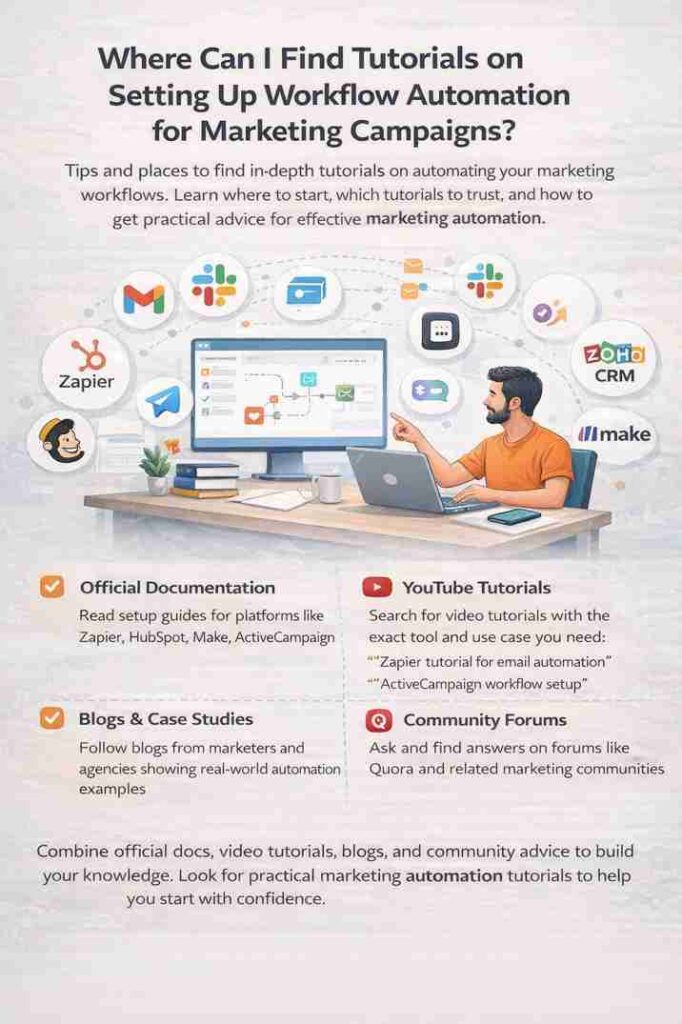
Most people start by reading the official documentation for the tool they want to use. The first thing you should do if you’re using a platform like HubSpot, ActiveCampaign, Mailchimp, or even a workflow tool like Zapier or Make is to go to the company’s own learning centre. The people who made the product wrote these docs, and they show you how to set it up step by step. They also have tutorials for common marketing tasks, such as “send a welcome email when someone signs up” or “add a lead to a campaign when they click a link.”
But official documents can be boring and hard to understand if you’re new to automation. That’s why I think you should mix them with video tutorials that you can do yourself. YouTube is a great place to look for tutorials, but instead of just typing in “automation tutorial,” make your search more specific by including the exact tool and use case you need. For instance, “Zapier tutorial for automating email marketing” or “ActiveCampaign workflow setup for nurturing leads.” You’ll find creators who will show you how to do each step and explain not only what to do but also why you’re doing it.
Blogs and courses by people who use these tools every day are also great places to find practical tutorials. When you know the basics, people like digital agencies, online marketers, and automation experts start making content that deals with real-life issues. You can learn how to set up your workflows so they don’t send duplicate emails, how to deal with mistakes, or how to test your automation before you turn it on in these posts. If you search the web for your tool name plus “tutorial” or “case study,” you’ll find these articles.
automation platforms works
Forums like the one on Quora can be very helpful because you can get answers from people who have had the same problem you are having. People often post links to tutorials, long explanations of why something didn’t work, or even screenshots of how they fixed a problem. The best thing about a community answer is that it gives you context. You don’t just see the instructions; you also see why they were written.
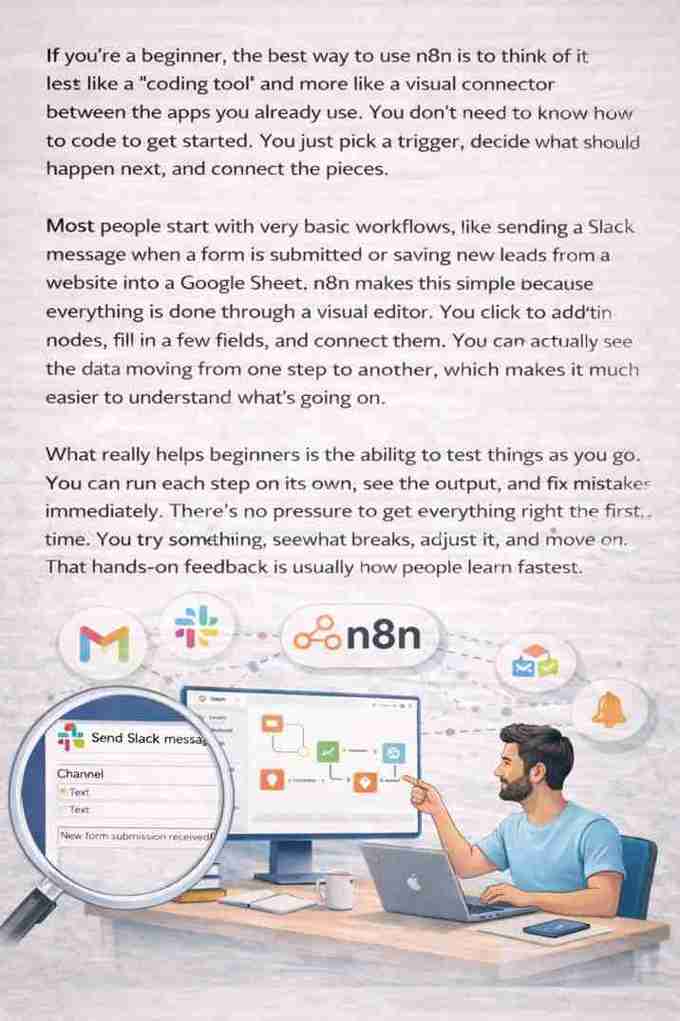
If you use a platform that is easier for developers to work with, like n8n or a custom API-based workflow, GitHub repositories, developer blogs, and technical forums like Stack Overflow can be good places to find tutorials. These aren’t as polished as a marketing video, but they can have more information when you’re trying to automate something more complicated.
about asutomations:-
One thing I always tell people is to use the learning materials that come with the tool. A lot of platforms come with tutorials, sample workflows, or template libraries. People often forget about these because they’re “inside” the product instead of on YouTube or a blog, but they can save you a lot of time. Templates can be very useful because they give you an automation that you can take apart and figure out how it works.
Lastly, if you really want to learn a lot, don’t overlook the value of paid courses. Websites like Udemy, Coursera, and specialised marketing education sites often make full workflows that include explanations, quizzes, and help. You don’t have to pay for a course, but it might be worth it if you’re stuck or overwhelmed by the number of tools and settings.
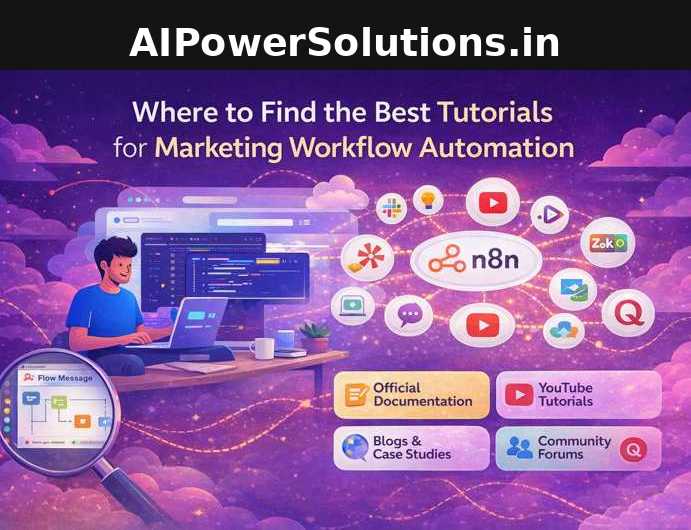
If your question is, “Where can I find tutorials on how to set up automating marketing tasks” The short answer is to start with the official docs for your tool, add step-by-step video tutorials on YouTube that are specific to what you want to automate, read blog posts from people who do this every day, and use community sites like Quora to learn about the problems and useful tips. Over time, you’ll build a mental library of resources that feels like a whole instead of a bunch of separate things.