Introduction: The Shift Toward Conversational Business Communication
Customer communication has shifted from slow, one-way channels like email and web forms to fast, conversational messaging. Buyers and users now expect brands to respond in minutes, not days, and they want to talk to businesses the same way they talk to friends—through chat. In this environment, the WhatsApp Official API has become a foundational technology for modern customer engagement.
Instead of running support and sales from a single phone with the WhatsApp Business App, companies are building full messaging infrastructure on top of the WhatsApp Business API. This allows them to automate large parts of customer communication, integrate with CRM systems, and orchestrate structured conversation flows at scale. AIPowerSolutions.in helps businesses implement these WhatsApp Official API solutions, connecting messaging with automation and CRM so that customer engagement becomes predictable, measurable, and globally scalable.
Understanding WhatsApp Official API and Its Role in Modern Messaging Infrastructure
The WhatsApp Official API (often called the WhatsApp Business API) is not a mobile app. It is a server-side interface designed for software platforms and back-end systems. Where the regular WhatsApp and WhatsApp Business App are tied to a single device, the Official API exposes endpoints and webhooks that allow your applications to send, receive, and process messages programmatically.
In practice, this means WhatsApp becomes another core component of your digital infrastructure, alongside your website, CRM, helpdesk, and email service provider. Incoming messages are delivered to your systems via webhooks. Outgoing messages are sent via authenticated API calls. Message templates and session messages are managed under Meta’s policies, ensuring both reliability and compliance.
This architecture allows businesses to build multi-agent shared inboxes for support teams, automated workflows for lead qualification and reminders, rich notification systems for real-time updates, and deep WhatsApp CRM integration where every conversation is stored and analyzed.
AIPowerSolutions.in focuses on this systems layer—connecting the WhatsApp Official API with automation platforms, data stores, and CRM tools—so that businesses gain a robust conversational messaging platform rather than a simple chat channel.

Why Businesses Worldwide Are Choosing WhatsApp for Customer Engagement
There are several reasons why WhatsApp has become such a critical channel for customer engagement across regions and industries.
First, WhatsApp is mobile-first and ubiquitous. Customers already use it daily, often more frequently than email. When a brand communicates over WhatsApp, it meets users where they already are, reducing friction and boosting engagement rates. Messages are more likely to be seen and opened quickly, especially for time-sensitive updates.
Second, WhatsApp is inherently conversational. Unlike static landing pages or one-way email blasts, it supports back-and-forth exchanges with rich media. Customers can share photos, videos, documents, and locations. Businesses can respond with quick reply buttons, list messages, and interactive components that guide users through decision flows. This drives better clarity, fewer misunderstandings, and faster resolutions.
Third, WhatsApp offers continuity. Conversations persist over time. A customer can reach out about an order today, a support issue next month, and an upgrade six months later, all in the same thread. Your systems, when integrated correctly, can recognize the user, pull up their history, and adapt responses based on context.
Finally, WhatsApp is trusted. End-to-end encryption and a strong brand reputation make users comfortable sharing relevant information for transactions, support, and authentication. When you use the WhatsApp Business API, you also inherit Meta’s policy framework, which limits spam and helps ensure that messages are expected and valuable.
Because of these factors, companies adopt WhatsApp Official API not only as a support or marketing tool but as a primary conversational messaging platform for global customer engagement.
How Automation and CRM Integration Improve Customer Experience
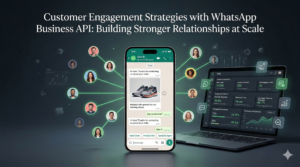
The real power of the WhatsApp Official API emerges when it is combined with automation and CRM integration. Automation ensures that customers receive timely, consistent responses, while the CRM ensures that every interaction feeds into a complete view of the customer journey.
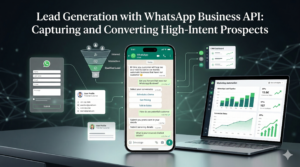
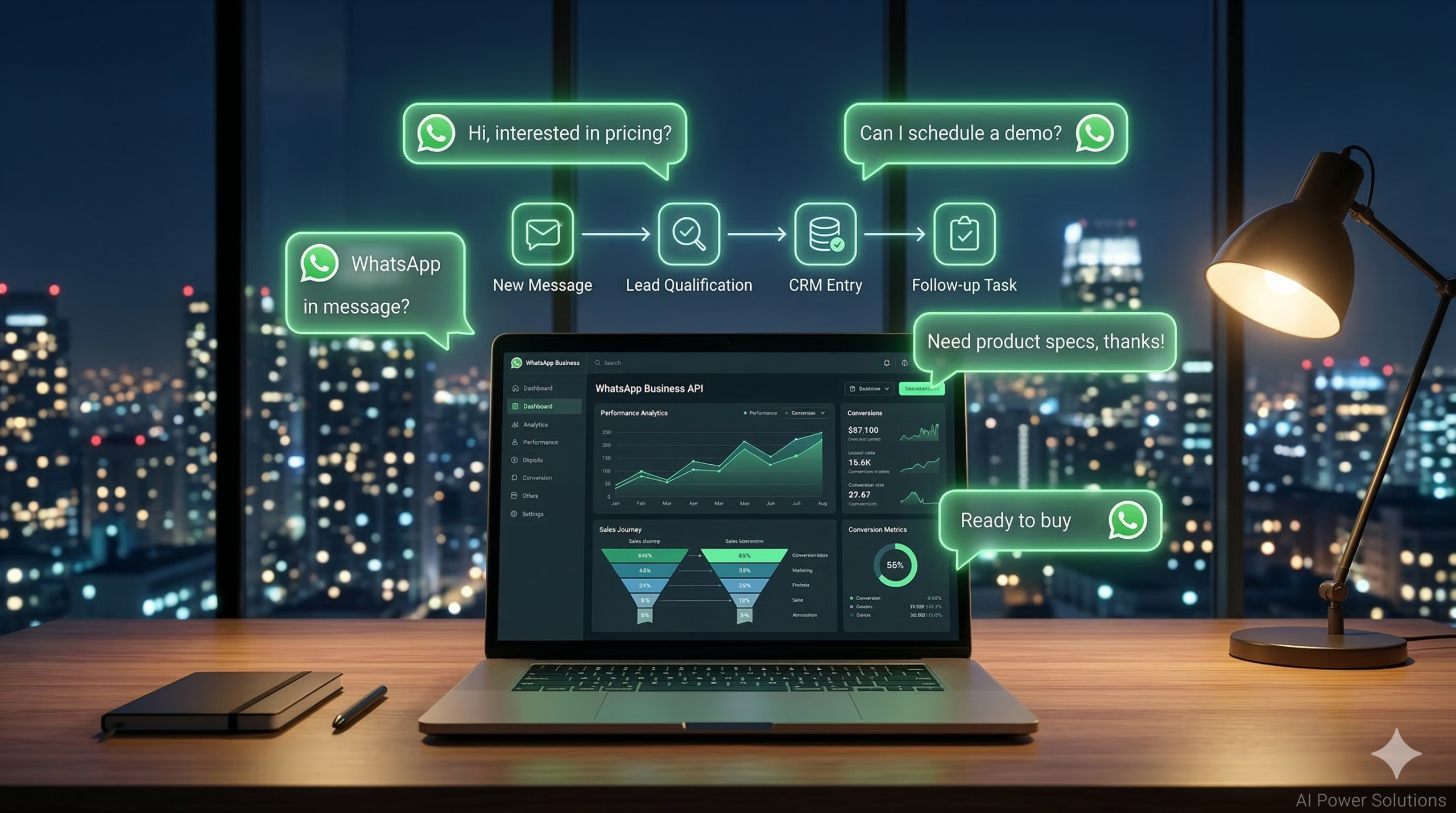
A typical automated WhatsApp flow for customer engagement might begin when a user clicks a “Chat on WhatsApp” button on a website or advertisement. The first message triggers an automated welcome message that offers options such as product questions, order status, or customer support. Based on the selection, the system either provides instant answers, collects more details, or routes the conversation to the appropriate team.
Behind the scenes, each message updates the CRM by creating or enriching a contact record, logging the interaction, and applying tags or stages. If a user requests a demo, the WhatsApp system can connect to scheduling tools to confirm meeting times. If a customer asks about an existing subscription, the system can retrieve billing or account data and respond appropriately.
This integration significantly improves customer experience. Response times become almost immediate because automation handles the first stage of interaction. Customers do not have to repeat their information because CRM systems maintain conversation history. Agents work more efficiently since they receive structured, context-rich conversations instead of raw inquiries.
AIPowerSolutions.in designs end-to-end WhatsApp automation architectures that connect the Official API with CRM platforms such as HubSpot, Salesforce, and Zoho CRM, along with helpdesk and internal systems.
Security, Compliance, and Trust in WhatsApp Business Communications
Security and compliance are crucial for any large-scale messaging infrastructure. The WhatsApp Official API offers several advantages compared to unofficial or scraping-based solutions.
Messages sent and received through WhatsApp remain encrypted on the client side. The Official API interacts securely with Meta’s servers and respects built-in privacy and rate-limiting mechanisms. Unlike unofficial solutions that emulate devices or rely on reverse engineering, the Official API is officially supported and documented.
Compliance also involves respecting user consent and messaging policies. WhatsApp enforces a 24-hour customer service window where businesses can freely respond to user messages. Outside that window, companies must use approved message templates categorized as utility, authentication, or marketing.
This framework protects users from spam and ensures that messages remain relevant and expected. Businesses implementing WhatsApp automation must design proper opt-in systems, template strategies, and user-friendly unsubscribe mechanisms.
AIPowerSolutions.in assists organizations in designing compliant messaging systems, managing template approvals, and building automation workflows that follow WhatsApp’s communication policies while maintaining high engagement.
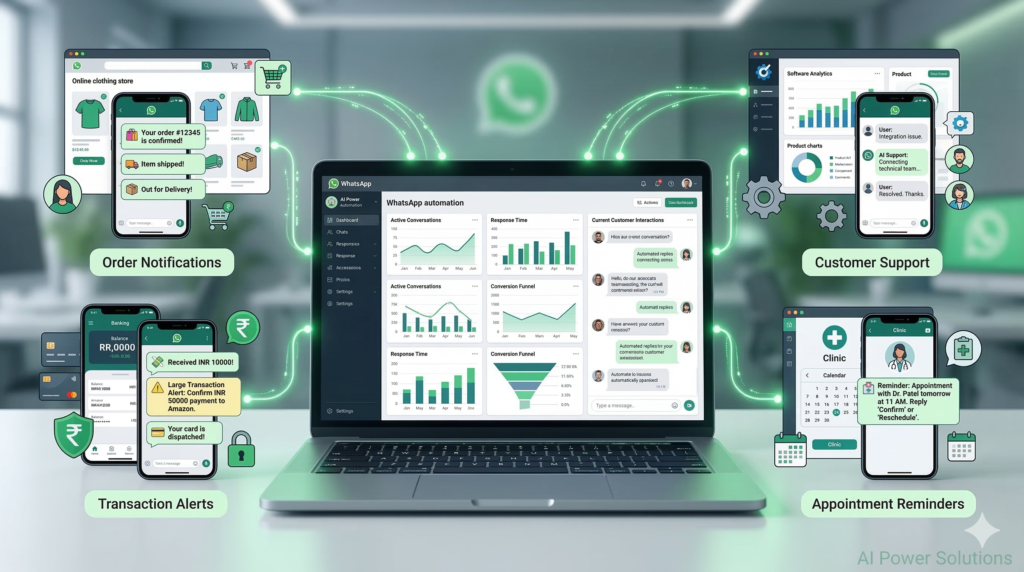
Real-World Use Cases Across Industries
eCommerce and Retail
In eCommerce, the WhatsApp Official API is commonly used for order confirmations, delivery notifications, and customer support. Customers receive automated messages summarizing their orders, expected delivery times, and tracking updates.
If an issue occurs, customers can quickly reply within the same conversation to resolve delivery problems or request assistance. Businesses can also send personalized product recommendations or restock alerts to customers who have opted in.
SaaS and Software Companies
Software companies use WhatsApp automation primarily for onboarding and customer success. New users receive step-by-step guidance, reminders about trial expirations, and helpful tips through WhatsApp messages.
Support teams can manage issues through structured WhatsApp conversations that automatically create tickets in helpdesk systems while updating CRM records. Sales teams also use WhatsApp to follow up after demos and maintain communication during the buying process.
Healthcare and Clinics
Healthcare organizations use WhatsApp for appointment reminders, confirmations, and patient follow-ups. Automated reminders reduce missed appointments and improve operational efficiency.
Patients can confirm, reschedule, or cancel appointments directly through WhatsApp, while healthcare systems remain integrated with clinic management platforms.
Financial Services and Fintech
Financial services companies use WhatsApp for transaction alerts, security notifications, and customer support. Users can receive real-time alerts about payments, account activity, and login attempts.
Fintech platforms also use WhatsApp to update users on KYC verification status, loan applications, and onboarding progress while maintaining strict security standards.
The Future of Conversational Commerce with WhatsApp Official API
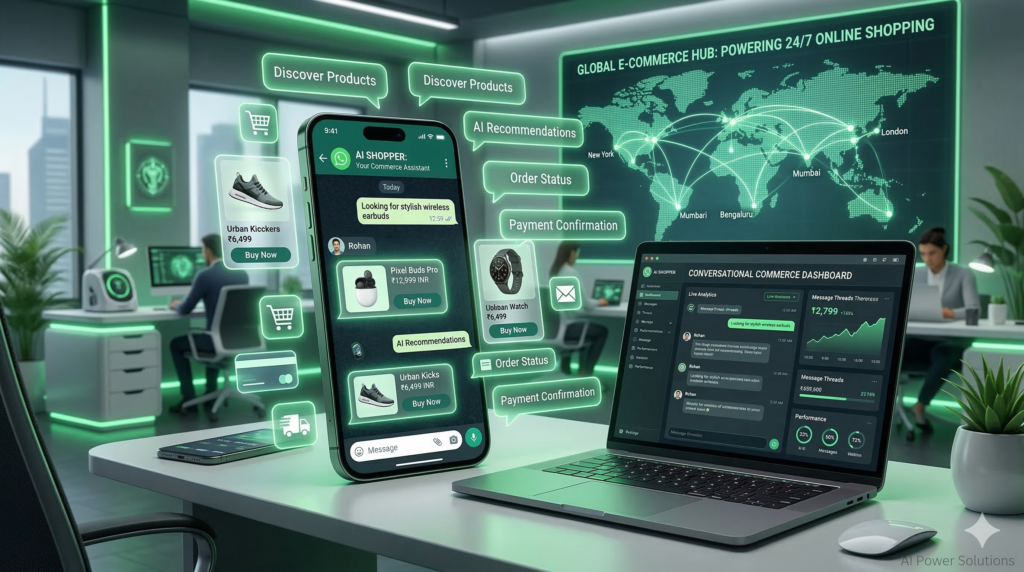
The future of the WhatsApp Business API lies in deeper integration with artificial intelligence, commerce platforms, and omnichannel systems.
AI-powered assistants will handle many first-level customer interactions inside WhatsApp conversations. These assistants will understand context and intent, enabling businesses to automate complex support scenarios while maintaining natural conversation flows.
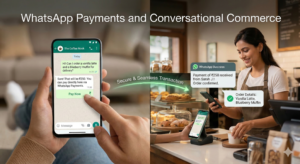
Conversational commerce will also expand significantly. Customers will browse products, receive recommendations, complete purchases, and track orders directly within WhatsApp chats.
Businesses will increasingly treat WhatsApp as part of a unified communication ecosystem where customer interactions move seamlessly between social media, email, websites, and messaging apps.
To support this evolution, organizations need scalable messaging infrastructure, robust CRM integration, and automation frameworks. AIPowerSolutions.in helps businesses build this foundation by implementing reliable WhatsApp Official API integrations and automation systems.
Conclusion
WhatsApp Official API is reshaping how businesses communicate with customers by turning messaging into a scalable, automated, and integrated engagement channel. Instead of relying on fragmented tools or manual responses, companies can build structured communication systems that connect WhatsApp with CRM platforms, automation workflows, and operational data.
When implemented correctly, the WhatsApp Business API helps businesses improve response times, strengthen customer relationships, and support large-scale communication across global markets.
AIPowerSolutions.in works with organizations to design and deploy WhatsApp Official API solutions, enabling automation, CRM integration, and reliable messaging infrastructure. By adopting these systems, businesses can transform WhatsApp from a simple chat tool into a powerful platform for customer engagement, support, and conversational commerce.
Frequently Asked Questions (FAQ)
What is the WhatsApp Official API?
The WhatsApp Official API, also known as the WhatsApp Business API, is a server-based interface that allows businesses to send and receive WhatsApp messages programmatically through applications, CRM systems, and automation platforms.
How is the WhatsApp Business API different from the WhatsApp Business App?
The WhatsApp Business App is designed for small businesses and typically runs on a single phone. The WhatsApp Business API is designed for medium and large organizations that require automation, multiple agents, and integration with business systems.
Can WhatsApp Official API integrate with CRM systems?
Yes. The WhatsApp Official API can integrate with CRM platforms such as HubSpot, Salesforce, Zoho CRM, and custom systems. This allows businesses to track conversations, manage leads, and automate workflows.
Is WhatsApp Official API secure for business communication?
Yes. The API operates under WhatsApp’s official infrastructure with encryption, policy enforcement, and controlled messaging frameworks to ensure secure and compliant communication.
How can businesses get started with WhatsApp Official API?
Businesses typically work with an official integration partner or solution provider to configure the API, set up messaging templates, connect CRM systems, and build automation workflows. Providers like AIPowerSolutions.in help companies implement these systems efficiently.